
HARGA : CALL (klik disini untuk informasi harga lebih detil)
PRODUCT CODE : SSG-200

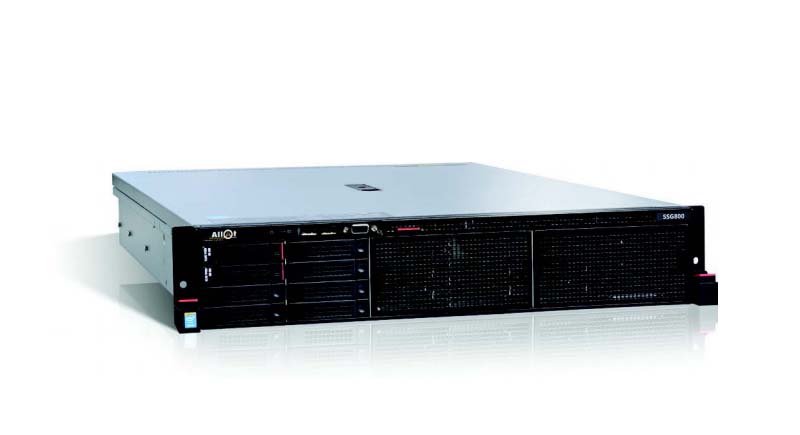
Allot SSG-200 monitors network traffic in real time and delivers full Layer 7+ visibility of application performance, capacity utilization and network health. Integration with Microsoft Active Directory provides traffic intelligence per user and per organizational unit, so you can understand how employees consume business applications and network resources. The granular traffic intelligence you get with Allot SSG-200 accelerates root cause analysis so you can pinpoint the cause of service degradation and quickly resolve the problem at its source. Allot SSG-200 also integrates comprehensive web threat visibility, enabling you to neutralize the impact of malware, phishing, and other web threats as well as inappropriate content that often accompanies recreational web usage and may cause legal or compliance concerns for your business.
Allot SSG-200 helps you embrace and maximize the business value of cloud (web) applications by detecting and blocking malware, phishing and other web threats before they harm application performance and user productivity. Allot SSG-200 provides DDoS detection and mitigation. It detects and surgically filters Hosts and Network Anomaly Behavior and bot traffic before it affects your network and external networks. Allot SSG integrates multiple functions in an platform that protects your investment and lets you scale from 2 to 20 ports of 1GbE/10GbE network connectivity in a single appliance. Allot SSG-200 supports deployment flexibility, available in HW appliance or Virtual Edition.
Allot SSG-200 allows you to virtually partition LAN, WAN and Internet resources so that users and applications no longer compete with one another for bandwidth and Quality of Service (QoS). The highly granular visibility provided by Allot allows you to act with the same level of granularity to maintain optimal network efficiency and high application performance. Powerful policy tools on Allot SSG-200 help you define and enforce Acceptable Use Policy and prioritize applications that are critical to your business. For example, to improve user experience, you can dedicate minimum bandwidth to collaboration applications or prioritize real-time point-of-sale and inventory transactions over non-essential traffic. Likewise, you can block access to shadow IT or limit the use of recreational apps that could impact network and data security.

